World War II
Life After LifeWorld War II provides the historical setting for one man’s account of an attack in Europe and a comforting encounter he associated with the danger. The episode is presented not as a survey of the war, but as a specific wartime recollection in which immediate threat gives way to reassurance and a lasting reduction in fear of death.
Wartime Setting
The unnamed man recalls that he was serving with the infantry in Europe during World War II. He and others were inside a building when an enemy plane dived toward them and opened fire. He saw the attack and believed that they might all be killed; the account describes dust from the bullets moving toward their position. No date, battle, or further military detail is supplied, so the war chiefly locates the episode in a period of acute danger.
The Encounter
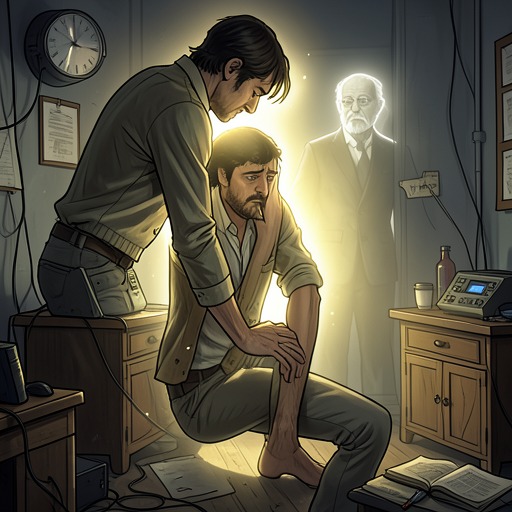
During the attack, the man did not see a figure or other visible source of help. He instead felt a comforting presence and heard a gentle voice address him by name, reassuring him that his time had not come. The account thus contrasts the visible threat of the aircraft and gunfire with an experience described as unseen but personally directed. It does not specify what happened to the other people in the building or provide further details about the military incident.
Aftermath and Significance
The man identifies the encounter as an experience he would never forget and says that since that day he had no fear of death. World War II therefore marks the circumstances of a single report whose stated consequence extends beyond the moment of danger: the reassurance remained meaningful to him afterward. The passage offers this change as part of a collection of accounts of extraordinary presence and protection, without establishing more about the event or making a broader claim about wartime experience.